


Views: 257 Author: Holin Knife Publish Time: 2026-11-04 Origin: Site


Content Menu
● When Is National Knife Day, and What Does It Celebrate?
● National Knife Day History: What Is Known and What Remains Uncertain?
>> Why Is National Knife Day on August 24?
>> Who Started National Knife Day?
● How to Celebrate National Knife Day Meaningfully
>> 1. Give Your Everyday Knife a Careful Inspection
>> 2. Learn One Maintenance Skill
>> 3. Share a Useful Knife Story
>> 4. Support Responsible Education
● How to Choose a Pocket Knife or Outdoor Tool
>> Evaluate the Complete Knife, Not One Specification
● A Practical Knife Maintenance Checklist
● What User Feedback Can Teach Knife Brands
● Planning Custom Knives for National Knife Day
>> Step 1: Define the User and Sales Market
>> Step 2: Choose an OEM or ODM Development Route
>> Step 3: Create a Written Product Brief
>> Step 4: Approve Samples Before Bulk Production
>> Step 5: Plan Backward From August 24
● Build a Knife Collection With Yangjiang Holin
● Frequently Asked Questions About National Knife Day
>> What Date Is National Knife Day?
>> Is National Knife Day an Official Federal Holiday?
>> Do I Need to Buy a Knife to Celebrate?
>> What Is the Best Knife for a Beginner?
>> Can I Carry a Pocket Knife Anywhere?
>> Can Holin Customize Knives for a Branded Collection?
>> How Early Should a Brand Start Planning?
National Knife Day falls on August 24 every year. It is an opportunity to appreciate useful tools, discover the craftsmanship behind folding knives and pocket knives, and build better habits around responsible ownership. For brands and distributors, it is also a relevant occasion to introduce thoughtfully developed custom knives.
At Yangjiang Holin Industrial Co., Ltd., our perspective starts with a practical question: what makes a knife worth carrying and using? An attractive finish may catch attention, but comfort, cutting performance, dependable construction, and straightforward maintenance give a product lasting value.
This guide explores the celebration's history, practical National Knife Day activities, and a development framework for buyers planning an OEM or ODM knife collection.
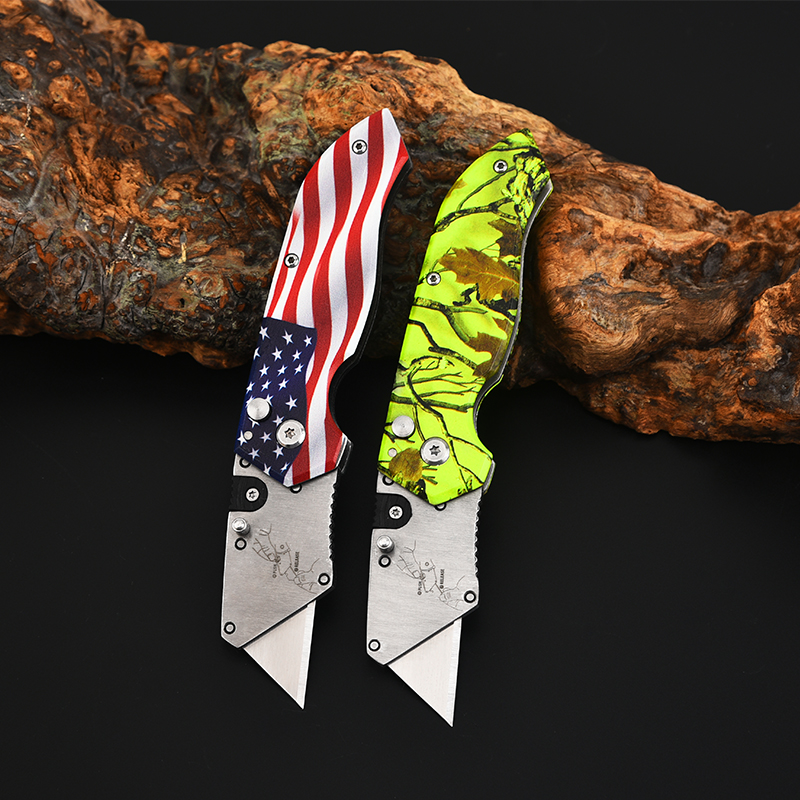
National Knife Day takes place on August 24. It is an informal observance associated with knife enthusiasts and the knife industry, rather than a United States federal holiday.
The occasion can include much more than collectible blades. Pocket knives, folding knives, utility knives, and outdoor tools all demonstrate how a cutting edge helps people complete everyday tasks.
For an individual, celebrating might mean cleaning a trusted folder or learning how to sharpen it correctly. For a retailer, it could mean hosting a maintenance demonstration. For a manufacturer, it is an opportunity to explain the design decisions that customers rarely see.
The common thread is craftsmanship: understanding how a useful tool is designed, made, maintained, and handled.
A frequently repeated explanation connects the date with an August 24, 1838 letter concerning the origins of the Bowie knife.
That connection is interesting, but matching dates do not establish why an observance began. The historical letter and the later celebration should not be treated as a proven chain of events without documentation linking them.
Likewise, the existence of a letter describing the Bowie knife does not settle every dispute about the design's origins.
For readers, the useful distinction is between a documented historical reference and a plausible explanation that remains unconfirmed.
The founder is not conclusively established.
A published historical investigation identifies an archived 1999 reference assigning "Knife Day" to August 24, alongside use of the full name "National Knife Day" before 2011. This complicates claims that the occasion was first created in 2011.
Industry campaigns around that period helped popularize the celebration. However, promoting an existing occasion is different from founding it.
The responsible conclusion is simple: August 24 is the established date, while the original organizer and exact reason for choosing it remain uncertain.
A purchase is optional. Learning more about a tool you already own can be equally rewarding.
Check the blade, handle, pocket clip, and opening mechanism under good lighting. Look for corrosion, damage, loose components, or unexpected movement.
If a locking knife does not engage reliably, stop using it and contact the manufacturer or a qualified service provider. Do not attempt improvised strength tests.
Choose a manageable task: cleaning accessible dirt, understanding the recommended sharpening method, or applying an appropriate lubricant according to the manufacturer's instructions.
Avoid disassembling a knife unless the manufacturer permits it and provides suitable guidance.
Public enthusiast discussions show that the occasion is not only about buying something new. Owners also share favorite tools, personal experiences, and appreciation for their communities.
These comments are anecdotal, not representative research. Nevertheless, they suggest a useful approach for brands: invite meaningful ownership stories instead of relying exclusively on promotional announcements.
A supervised demonstration can explain safe cutting direction, secure workholding, and proper storage. Beginners should understand that familiarity with opening and closing a knife matters as much as its appearance.
Keep demonstrations controlled and appropriate for the audience.
The best starting point is the intended task, not a steel name or an elaborate opening mechanism.
A knife for opening cartons faces different demands from a compact camping tool or a collectible gift.
| Intended use | Useful starting point | Questions to resolve |
|---|---|---|
| Everyday light cutting | Compact pocket knife | Is it comfortable to carry and control? |
| Repeated packaging work | Replaceable-blade utility knife | Is blade replacement secure and straightforward? |
| General outdoor cutting | Task-appropriate outdoor knife | Does the grip remain manageable during expected use? |
| Branded merchandise | Custom folding knife | Does branding preserve grip and operating clearance? |
| Collector-oriented release | Distinctive, documented design | Are materials and edition claims clearly described? |
This table is a planning aid, not a universal ranking. Suitability depends on the complete design, operating conditions, user capability, and applicable rules.
Blade material matters, but so do heat treatment, blade geometry, handle shape, assembly, and maintenance requirements.
For buyers, the practical lesson is to ask how a specification serves the intended task. A premium-sounding material does not independently demonstrate reliable finished-product performance.
Compare samples using the same tasks and evaluation conditions. Otherwise, differences in testing can be mistaken for differences in quality.
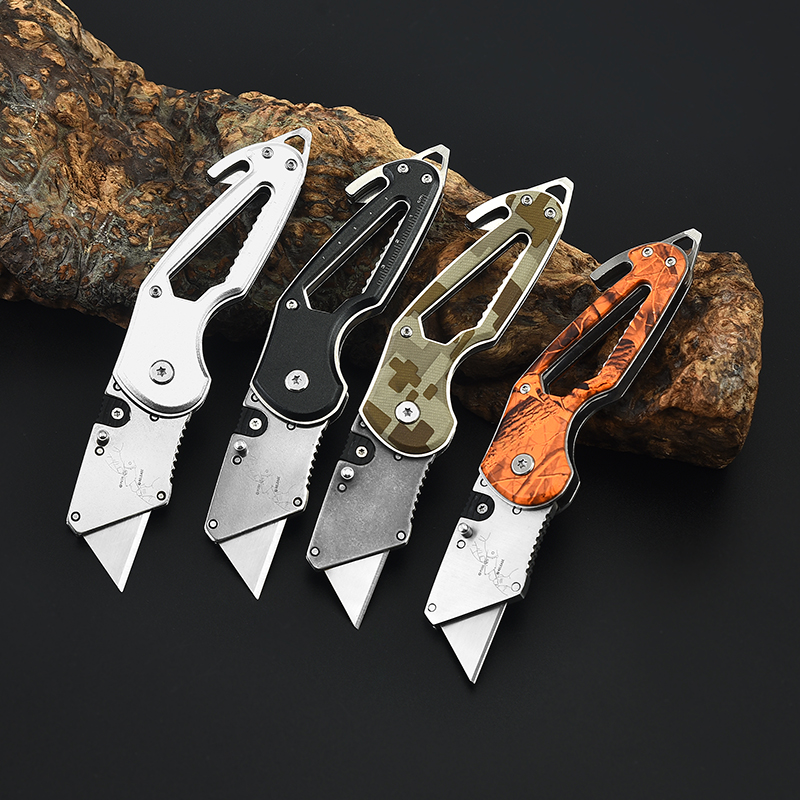
National Knife Day can serve as an annual reminder, but heavily used tools may need attention much more frequently.
1. Prepare the area. Use a stable surface, good lighting, and sufficient space. Keep other people outside the blade's possible path.
2. Inspect before cleaning. Identify damage or operating problems before handling the knife further.
3. Remove accessible debris. Follow the manufacturer's cleaning instructions and avoid pushing fingers toward the edge.
4. Dry thoroughly. Pay attention to areas where moisture can remain, including accessible spaces around a folding mechanism.
5. Lubricate appropriately. Use a suitable product where recommended and wipe away excess. Follow product restrictions if food contact is expected.
6. Maintain the edge. Use the sharpening method and angle recommended for the specific blade.
7. Store securely. Close folding blades or use an appropriate sheath. Keep knives dry and inaccessible to unauthorized users.
A properly maintained edge can reduce the force needed for a cut, but sharpness does not remove injury risk. Secure the material and keep hands outside the cutting path.
Knives should cut, not substitute for pry bars or screwdrivers.
Enthusiast celebrations often highlight favorite everyday tools and the community around them. That is useful context, but purchasing decisions require more specific feedback.
Rather than asking only whether a customer likes a knife, ask:
- Which task do you use it for most often?
- Does the handle create discomfort during repeated cuts?
- Is the clip comfortable during ordinary carry?
- Can you open and close it confidently?
- Which maintenance step is unclear?
- What would make you stop carrying it?
These questions translate general reactions into actionable design requirements.
For example, "the handle feels uncomfortable" needs follow-up. Is the problem a sharp clip edge, insufficient grip area, or pressure during a particular task? Each answer points toward a different adjustment.
These are proposed research questions, not findings from a Holin customer survey. Customer comments should guide investigation rather than become unsupported performance claims.
For brands and importers, a seasonal release works best when the product has a clear purpose beyond a commemorative logo.
Specify the intended customer, primary cutting tasks, target price position, and destination markets.
Check relevant requirements early. Knife rules can differ by jurisdiction and may address blade characteristics, opening mechanisms, sale, possession, or carry.
A product's legality in one market does not establish its suitability for another.
In general sourcing usage, an OEM project often follows a buyer-supplied design or specification. An ODM project typically starts from a manufacturer-developed design that can be adapted.
Actual responsibilities depend on the agreement. Clarify design ownership, permitted modifications, tooling arrangements, and documentation before development proceeds.
Yangjiang Holin Industrial Co., Ltd. offers one-stop OEM/ODM support covering product design, development, and batch production through its in-house research team and production factory.
Include the information needed to discuss feasibility:
- Product category and intended applications.
- Target dimensions, weight, and price range.
- Proposed blade and handle materials.
- Opening and locking preferences.
- Logo placement and surface finish.
- Packaging, instructions, and labeling.
- Order quantity and required delivery date.
Distinguish essential requirements from preferences. This helps the development team explain trade-offs instead of guessing which features matter most.
Evaluate more than appearance. Review grip comfort, controlled operation, assembly consistency, edge condition, and packaging protection.
Agree on measurable acceptance criteria, evaluation methods, and how nonconforming products will be handled. An approved sample should have a documented specification rather than rely on memory or photographs alone.
These are recommended purchasing practices, not claims that a particular Holin model has passed an independent certification.
Separate the project into specification approval, sampling, revisions, production, inspection, shipping, and launch preparation.
There is no universal lead time. Original tooling, design changes, order volume, packaging development, and transport arrangements can all affect the schedule.
Ask for a project-specific timeline before announcing a release date.
A successful custom knife project begins with a clear use case and a specification both parties understand.
Yangjiang Holin Industrial Co., Ltd. manufactures folding knives, pocket knives, utility knives, and outdoor tools. Its in-house development team and production factory support product design, development, and scalable batch manufacturing for global customers.
To discuss a National Knife Day collection or an ongoing private-label range, send Holin your target market, intended use, preferred product category, estimated quantity, branding requirements, and delivery expectations.
Request a product-development discussion and quotation based on those requirements. Treat materials, quantities, pricing, and schedules as project-specific items to confirm before ordering.
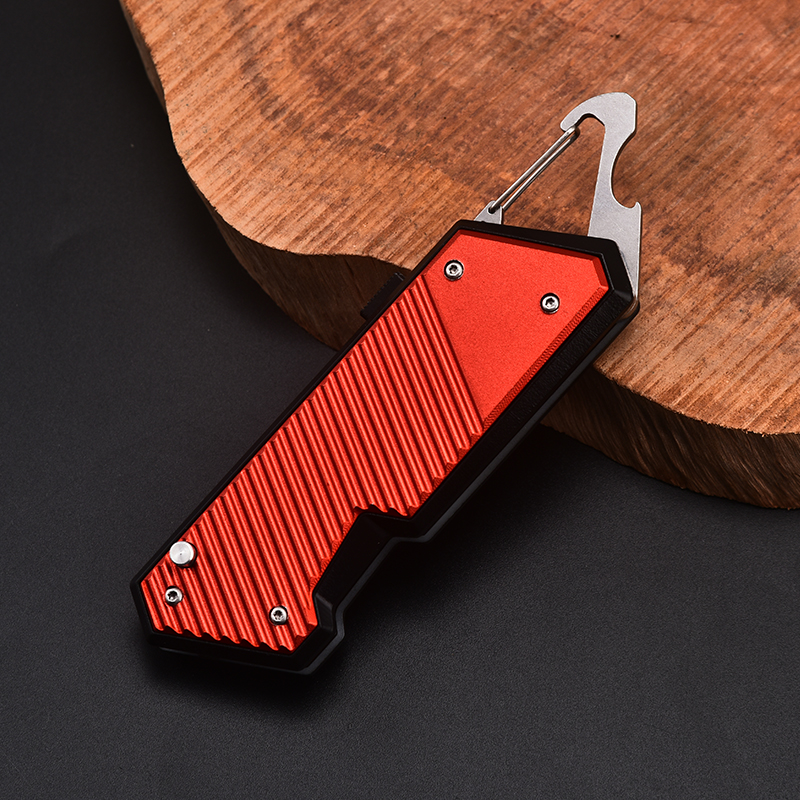
National Knife Day is observed annually on August 24. It is an informal celebration associated with knife users, collectors, retailers, and manufacturers.
No. It is not a United States federal holiday. Individual communities or organizations may arrange related events, but those activities do not change its federal status.
No. Cleaning an existing tool, learning safe maintenance, or sharing an ownership story are meaningful alternatives. The occasion can be about appreciation rather than purchasing.
There is no single best option. Start with the intended task, manageable dimensions, understandable operation, and local requirements. Choose a design the user can handle confidently and maintain correctly.
No. Applicable rules and venue policies vary. Check current requirements for your location and destination, including restrictions involving particular mechanisms, blade characteristics, schools, workplaces, and travel.
Yes. Based on its stated capabilities, Holin provides OEM/ODM services covering design, development, and batch production. Confirm available customization, order quantities, sample arrangements, and lead times directly for the proposed project.
Start before committing to a public launch date. Allow time for specifications, samples, revisions, production, inspection, and transport. Obtain a project-specific schedule rather than assuming every custom knife follows the same timeline.
1. [Blade HQ — "The Real History of National Knife Day [With Evidence]"]. Original article supplied for reconstruction. Its indexed title and August 24 date were confirmed; the complete page and its comments were not retrievable during preparation. [bladehq]
2. [Sharg — "National Knife Day on August 24: What Do We Really Know About This Unofficial Holiday?"]. Published August 21, 2026. Secondary historical investigation discussing the 1999 archive reference, pre-2011 usage, industry promotion, and the uncertain connection to the 1838 Bowie letter. The article's archival findings are attributed to this investigation, not presented as independently examined primary documents. [sharg]
3. [American Knife & Tool Institute — "Knife Education and Safety"]. Supports the principles of maintaining distance, cutting away from the body, keeping tools clean and sharp, and storing blades appropriately. [akti]
4. [American Knife & Tool Institute — "My First Knife"]. Supports beginner guidance, manufacturer-directed sharpening, drying, lubrication, safe operation, and caution against unauthorized disassembly. [akti]
5. [American Knife & Tool Institute — "Knife Safety, Sharpening and Maintenance"]. Supports secure workholding, controlled cutting, avoiding bending or twisting, mechanism maintenance, and dry storage. [akti]
6. [American Knife & Tool Institute — "State Knife Laws"]. Explains variation in United States knife restrictions and the limitations of summary guidance. This resource is a starting point, not legal advice or a substitute for current applicable law. [akti]
7. [Reddit, r/SlipjointKnives — "Happy national knife day! The knives are great, but this community is even better!"]. Qualitative illustration of community appreciation; not representative consumer research or a Holin testimonial. [reddit]
8. [Reddit, r/knives — "Happy National Knife Day!"]. Public ownership-story example used only to inform the community-oriented editorial approach. [reddit]


