


Views: 288 Author: Holin Knife Publish Time: 2026-09-14 Origin: Site


Content Menu
● China's Folding Knife Supply Base
>> 1. Yangjiang Holin Industrial Co., Ltd.
>> 3. CIVIVI
>> 5. RUIKE Outdoor Tools Manufacturing Co., Ltd.
>> 7. Yangjiang Winbow Industry and Trade Co., Ltd.
>> 8. Yangjiang Yeehand M&T Co., Ltd.
>> 9. Yangjiang Zhusheng Hardware Factory
>> 10. Yangjiang Precision Industries Co., Ltd.
● Manufacturer Comparison Table
● Technical Details Buyers Should Specify
>> 2. "Sample Quality" Does Not Match Production Quality
>> 4. Incorrect MOQ Assumptions
>> 5. Copying Protected Designs
● The Less-Discussed Buyer Tip
>> Step 1: Define the Product Brief
>> Step 2: Shortlist Factories
>> Step 6: Manage Shipping and Compliance
>> 1. How can I verify whether a factory's ISO 9001 certificate is still valid?
>> 2. What is a realistic MOQ for a custom folding knife?
>> 3. How do I confirm that the blade steel is genuine D2, VG-10, M390, or CPM 20CV?
>> 4. Should I use ball bearings or washers in a folding knife?
>> 5. What should I include in a folding knife quality-control checklist?
China remains one of the world's most important sourcing bases for folding knives, pocket knives, utility knives, EDC tools, camping knives, and multi-function outdoor tools. For importers, private-label brands, distributors, and procurement teams, the advantage is not merely lower unit cost. The strongest Chinese suppliers combine mature component supply chains, CNC machining, blade grinding, handle processing, assembly, packaging, and export support within one manufacturing ecosystem.
The center of gravity is Yangjiang, Guangdong, a long-established cutlery cluster with deep experience in blade manufacturing, hardware sourcing, polishing, heat treatment, assembly, and export-oriented production. The cluster is especially relevant for buyers looking for folding knives because the product requires several capabilities to work together consistently: blade material control, heat treatment, pivot alignment, locking reliability, handle ergonomics, corrosion resistance, and packaging quality.
However, China is not one uniform supplier market. A premium EDC brand looking for titanium handles, M390 steel, CNC tolerances, and detailed finish work should evaluate factories differently from a promotional-tools distributor buying 5,000 stainless-steel utility knives. Likewise, a buyer developing an outdoor knife line needs more than an attractive catalog; they need a supplier that can translate a product brief into repeatable production specifications.
This article identifies ten notable manufacturers and brands connected to China's folding-knife supply base. The purpose is not to claim that one company is suitable for every project. Instead, it helps professional buyers match factory strengths with their intended price point, target market, product category, compliance requirements, and expected order volume.
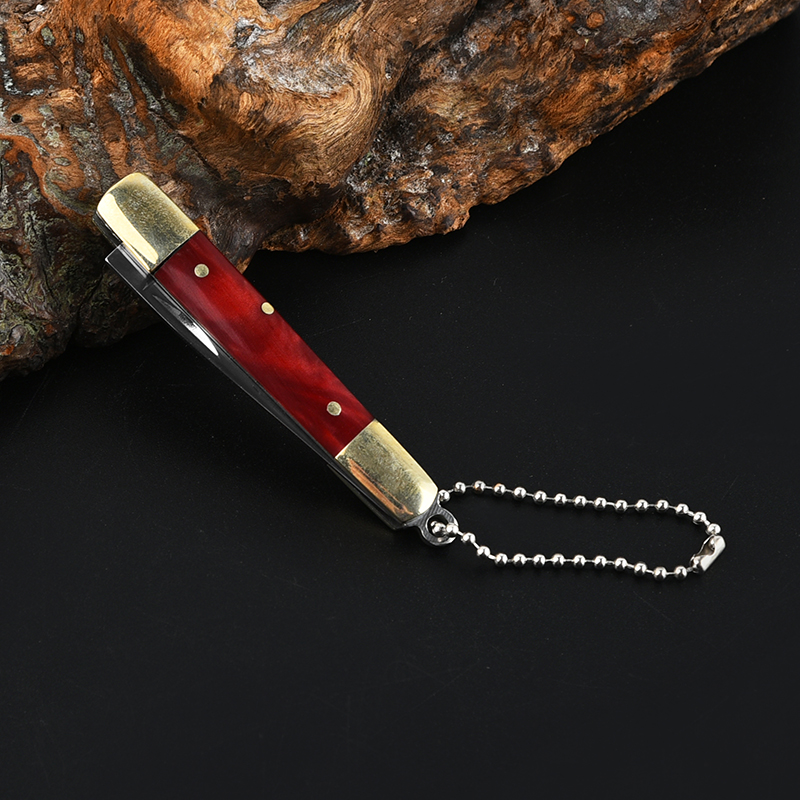
A folding knife supplier should not be selected based only on catalog images, marketplace ratings, or the lowest quoted price. Buyers should evaluate whether a manufacturer can maintain the same material, hardness, lock engagement, finish, and packaging quality from the first approved sample through repeat production.
The companies in this guide were assessed using the following practical sourcing criteria:
- Manufacturing relevance: Experience with folding knives, pocket knives, utility knives, outdoor knives, EDC products, or related multi-tools.
- Product-development capability: Ability to support OEM or ODM work, including drawings, handle changes, logo application, packaging development, material selection, and production engineering.
- Material and process knowledge: Familiarity with steels such as 3Cr13, 5Cr15MoV, 7Cr17MoV, 8Cr13MoV, D2, 9Cr18MoV, VG-10, M390, and CPM-grade steels where applicable.
- Quality-control discipline: Inspection at incoming-material, in-process, assembly, final-inspection, and pre-shipment stages.
- Scalability: Capacity to support stable repeat orders rather than only small sample batches.
- Commercial transparency: Willingness to define specifications, tolerances, packaging requirements, sample approvals, inspection standards, and lead times in writing.
- Export readiness: Familiarity with international packaging, labeling, customs classifications, restricted-market requirements, and buyer documentation.
A key point for procurement teams: "CE certified knife" is often used loosely in online listings. CE marking is not a universal quality certificate for ordinary folding knives. Depending on the product, destination market, packaging claims, and electrical or accessory components, other requirements may be more relevant. Buyers should identify the applicable legal and product-safety obligations for their destination country before asking a factory for documents.
Yangjiang's advantage is similar to that of other Chinese manufacturing clusters: concentrated supplier networks reduce sourcing friction. A folding-knife factory may obtain blade steel, screws, liners, clips, G10 scales, aluminum components, packaging materials, and surface-treatment services from specialized suppliers within the same regional ecosystem.
This can help shorten product-development cycles, especially for projects involving:
- Private-label pocket knives
- Folding utility knives and replaceable-blade cutters
- Outdoor and camping folding knives
- EDC flipper knives
- Liner-lock, frame-lock, back-lock, slip-joint, and button-lock designs
- Multi-tools and compact outdoor equipment
- Gift-boxed knife sets for retail, promotional, or outdoor brands
For the United States, pen knives, pocket knives, and other knives with folding blades are generally classified under HTS 8211.93.00.35, but buyers should confirm classification, tariff treatment, country-of-origin rules, and local restrictions with their customs broker before shipment.
Market researchers continue to project growth in folding and multifunctional knife demand, particularly across everyday carry, camping, outdoor recreation, tactical-style tools, and practical utility products. One 2026 market estimate places the multifunctional folding-knife market at approximately USD 300 million in 2025, with projected growth to USD 480 million by 2035. Market estimates vary considerably by research methodology, so buyers should treat such figures as directional rather than as a substitute for their own sell-through data.
Best fit for: Small and mid-sized brands, importers, wholesalers, private-label programs, and buyers who need flexible OEM/ODM development support for folding knives, pocket knives, utility knives, and outdoor tools.
Yangjiang Holin Industrial Co., Ltd. is a Yangjiang-based manufacturer focused on folding knives, pocket knives, utility knives, and outdoor tools. The company positions itself as an export-oriented supplier with its own product-development and manufacturing resources, making it particularly relevant to buyers who want to develop branded products rather than simply purchase stock catalog items.
Holin's practical strength is its suitability for buyers who need a more responsive manufacturing partner during the early stages of a product program. That may include changing blade finishes, adjusting handle materials, adding logos, developing retail packaging, modifying color combinations, or refining a design for a specific price range and target market.
The company states that it has more than 20 years of experience in the sector and maintains a team of five designers and 12 technical experts to support OEM and ODM product development. For smaller brands, that kind of support can matter because many product issues occur before mass production: unclear design drawings, untested lock geometry, inconsistent material specifications, unverified packaging dimensions, or incomplete inspection standards.
Core strengths
- Folding knife, pocket knife, utility knife, and outdoor-tool focus.
- In-house product-design and technical support.
- Flexible approach for private-label and development-led projects.
- Suitable for buyers needing coordinated support from product concept through batch production.
- Located in Yangjiang's mature cutlery and hardware manufacturing cluster.
- Particularly relevant to mid-volume buyers who value communication speed and practical customization rather than only a large off-the-shelf catalog.
OEM/ODM scope
- Blade shape, thickness, grind, finish, and marking.
- Handle materials, textures, colors, inserts, and logo placement.
- Pocket clips, screws, liners, lock structures, and accessory selection.
- Retail box, gift box, blister card, pouch, instruction sheet, barcode, and carton customization.
- Product-design refinement, prototype support, sampling, and repeat production.
Buyer note: Before placing an order, ask Holin to quote against a complete technical package: blade steel grade, target hardness range, blade thickness, handle material, lock type, pivot structure, finish standard, packaging specification, AQL level, and required test samples. This prevents later disputes caused by vague terms such as "420 stainless steel," "high hardness," or "premium G10."
Founded: 2000
Best fit for: Higher-end folding knives, premium EDC projects, advanced machining, titanium-handle designs, and buyers benchmarking premium production quality.
WE Knife began in 2000 as an OEM manufacturer serving established names in the cutlery industry and later introduced its own branded product lines. It is widely associated with the higher end of China's folding-knife market, including refined EDC designs, titanium scales, carbon fiber, premium steels, and detailed CNC finishing.
For procurement teams, WE Knife is most useful as a quality reference point in the Chinese market. Its public products show capability in materials such as CPM 20CV, S35VN, titanium, and carbon fiber, as well as detailed flipper and modern EDC configurations.
Core strengths
- Long manufacturing history in quality folding knives and tools.
- Strong reputation in premium EDC and collector-oriented categories.
- Familiarity with advanced materials and precision machining.
- Visible experience with internal and external knife designers.
- Suitable for brands positioning products above entry-level retail pricing.
OEM/ODM scope
- Historically established OEM manufacturing capability.
- Advanced material selection and machining-led product development.
- Modern EDC mechanisms, premium handle materials, custom finishes, and branded packaging.
Buyer note: A buyer seeking premium positioning should expect a higher engineering threshold, potentially higher development costs, and more rigorous requirements for components, finish consistency, packaging, and pre-production approval. Public consumer-facing information notes that WE Knife does not offer general product customization through its retail channel, so B2B buyers should clarify OEM program availability, development minimums, ownership terms, and design confidentiality directly with the company.
Parent company: WE Knife Co., Ltd.
Best fit for: Mid-priced EDC, practical folding knives, wider retail assortments, and buyers studying commercial product positioning.
CIVIVI is a subsidiary of WE Knife Co., Ltd. and is positioned around practical, accessible folding knives and tools. Although CIVIVI functions primarily as a market-facing brand rather than a conventional contract-manufacturing factory, it deserves attention because it demonstrates how Chinese manufacturing capability can be translated into commercially successful mid-market EDC products.
For buyers, CIVIVI can serve as a useful benchmark when developing folding knives intended for outdoor retailers, online marketplaces, specialty EDC stores, and value-conscious consumers. The brand's product strategy illustrates the importance of balancing blade steel, handle material, action, lock design, retail price, and visual differentiation.
Core strengths
- Commercially mature EDC product positioning.
- Strong connection to WE Knife's manufacturing background.
- Broad relevance to practical folder designs.
- Useful benchmark for retail-ready product architecture.
- Familiarity with global knife-consumer preferences.
OEM/ODM scope
- Buyers should confirm OEM availability separately because CIVIVI is principally a branded product line.
- Its market presence is more valuable as a reference for product architecture, styling, materials, and consumer-level positioning than as a standard private-label channel.
Buyer note: If a buyer wants a comparable product, do not copy a branded design. Instead, create an original industrial design with your own blade profile, handle geometry, hardware layout, packaging, naming, and brand story. This reduces intellectual-property risk and creates a more defensible product line.
Founded: 2012
Best fit for: Design-forward EDC projects, premium-value folding knives, designer collaborations, and buyers focused on collector and enthusiast markets.
Kizer began in China in 2012 and developed a strong reputation in the EDC segment, particularly for collaborations with knife designers and the use of premium materials at mid-to-premium retail price points. Its product positioning demonstrates how a Chinese knife company can compete through design quality, fit and finish, machining, and brand presentation rather than simply through low cost.
Kizer's public information indicates that its products have reached more than 800,000 consumers in more than 100 countries and regions. That scale makes the brand relevant to distributors and product managers studying international EDC preferences.
Core strengths
- Strong EDC and pocket-knife focus.
- Modern designs with international designer collaboration.
- Experience using premium materials and precision manufacturing.
- Broad international consumer reach.
- Useful benchmark for sophisticated product photography, brand identity, and model differentiation.
OEM/ODM scope
- Buyers should contact the company directly to determine current contract-manufacturing availability.
- The company is especially relevant for design-led, higher-value folding knife development rather than basic promotional knife sourcing.
Buyer note: Premium materials alone do not create a premium knife. The commercial result depends on pivot smoothness, blade centering, detent tuning, edge geometry, clip function, lock engagement, and finish consistency. Add measurable acceptance criteria for each of these items to the purchase order.
Founded: 1998
Brand launch: 2016
Best fit for: Practical outdoor knives, work-focused folders, multi-tools, value-oriented products, and buyers who prioritize functional reliability.
RUIKE was founded in 1998 by Mr. Leung, a bladesmith with a long background in knife design and production. The company states that it has provided design and manufacturing services to domestic and overseas knife brands and launched the RUIKE brand in 2016.
RUIKE's product profile is relevant to procurement teams seeking practical knives and tools rather than collector-driven luxury products. Its stated use of cryogenic treatment for blades is worth noting, but buyers should still ask for the underlying specification: steel designation, heat-treatment process, target hardness, test method, and production control plan.
Core strengths
- Established background in knife design and production.
- Practical outdoor, EDC, and multi-tool product orientation.
- Long-term experience serving domestic and overseas knife brands.
- Functional focus suitable for value and mid-market programs.
- Publicly emphasizes cryogenic blade treatment.
OEM/ODM scope
- Product design and manufacturing for knife brands.
- Outdoor folding knives, practical work knives, multi-tools, and related product categories.
- Buyers should verify minimum order quantities, tooling rules, and available materials for custom projects.
Buyer note: "Cryogenic treatment" should be treated as a process claim, not a complete quality guarantee. It does not replace a controlled heat-treatment process. Ask the factory to state whether the quoted steel is heat-treated in-house or by a qualified external provider, and request hardness-test records for the first article and production lot.
Founded: More than 20 years ago
Location: Yangjiang, Guangdong
Best fit for: Affordable outdoor knives, multi-tools, high-volume value products, and practical catalog-based assortments.
Ganzo describes itself as a Yangjiang-based Chinese outdoor-tools and knife brand with more than two decades of history. The company is associated with value-oriented folding knives, multi-tools, and outdoor products, making it relevant to retailers and distributors seeking broadly marketable products at accessible price levels.
The company also describes its experience as rooted in years of OEM work involving high-end outdoor tools and knives. This background is useful for buyers seeking a manufacturer familiar with production-scale outdoor equipment and practical product specifications.
Core strengths
- Long Yangjiang manufacturing heritage.
- Strong association with outdoor tools, multi-tools, and affordable folding knives.
- Suitable for distributors targeting practical, price-sensitive segments.
- Broad product-family potential for outdoor, camping, and hardware retail channels.
- OEM experience stated in its brand introduction.
OEM/ODM scope
- Folding knives, outdoor tools, multi-purpose pliers, and related products.
- Logo customization, retail packaging, assortment development, and product variation should be discussed directly.
- Suitable for programs where a shared platform design can be customized efficiently.
Buyer note: Value-tier knife sourcing requires stricter quality planning than many buyers expect. A small saving on steel, heat treatment, screws, or assembly time can create a disproportionate increase in returns. Require a production sample from the actual mass-production line—not merely a hand-finished showroom sample.
Founded: 2011
Best fit for: Buyers seeking broad blade-material options, customized handle and packaging specifications, and suppliers with publicly stated ISO 9001 and BSCI credentials.
Yangjiang Winbow Industry and Trade Co., Ltd. was founded in 2011 and publicly states that it is certified to ISO 9001 and BSCI standards. Its listing highlights a broad range of knife-related customization choices, including blade materials such as Damascus steel, 9Cr18, VG-10, 5Cr15MoV, 4Cr14, and 3Cr13, together with wood, resin, PP, and stainless-steel handle options.
While its public profile emphasizes kitchen knives and scissors as well as blade products, its material and customization range can make it relevant for buyers building mixed knife-and-tool assortments or seeking coordinated packaging across multiple categories.
Core strengths
- Publicly listed ISO 9001 and BSCI credentials.
- Material flexibility spanning entry-level and premium blade grades.
- Handle, color, texture, logo, and gift-box customization.
- Suitable for retail programs combining knives with kitchen, outdoor, or gift-oriented products.
- Located in Yangjiang's blade-manufacturing ecosystem.
OEM/ODM scope
- Blade material and finish selection.
- Handle-material, texture, color, and logo customization.
- Custom gift boxes and retail packaging.
- Potentially suitable for multi-SKU retail lines.
Buyer note: Verify every certification independently. Request the complete ISO certificate, certification-body name, certificate number, scope statement, site address, issue date, expiry date, and audit status. A valid ISO 9001 certificate should match the legal entity and factory address that will actually produce your order.
Best fit for: Tactical-style, EDC, titanium-handle, and private-label folding knife projects requiring a flexible customization discussion.
Yangjiang Yeehand M&T Co., Ltd. is listed among Yangjiang suppliers offering folding-knife OEM/ODM services, with a stated focus on tactical, EDC, and titanium-related product categories. The company may be relevant to small and mid-sized buyers looking for customization in design, logo, finish, handle material, or packaging.
Marketplace-level data can be useful as a starting point, but it should never replace direct supplier verification. Procurement teams should request company registration documents, production-site photos or live video, machining and assembly process evidence, inspection procedures, and references that are appropriate to the supplier relationship.
Core strengths
- Reported tactical, EDC, and titanium-related focus.
- Listed as offering full OEM/ODM and logo customization.
- Potential fit for emerging outdoor and EDC brands.
- Yangjiang location supports component sourcing and product iteration.
OEM/ODM scope
- Brand logo application.
- Handle material and finish options.
- Blade finish, packaging, and basic design customization.
- Buyers should confirm whether the company supports proprietary tooling and independent industrial design.
Buyer note: Ask whether critical operations are performed in-house or subcontracted. Blade blanking, grinding, heat treatment, CNC handle machining, coating, assembly, and packaging may be handled by different parties. Subcontracting is not automatically negative, but the factory must disclose it and maintain documented incoming and outgoing inspection controls.
Best fit for: Outdoor survival knives, functional field-use products, and OEM buyers seeking relatively direct factory communication.
Yangjiang Zhusheng Hardware Factory is identified in supplier listings as a Yangjiang-based maker focused on survival and field-use folding knives with OEM support. This type of supplier can be appropriate for buyers developing outdoor, fishing, camping, work, or survival-oriented product lines where functional durability, grip, lock reliability, and corrosion resistance matter more than collector-grade finishing.
Core strengths
- Reported emphasis on survival and field-use product types.
- OEM support for practical outdoor projects.
- Potential fit for camping, hunting, work-tool, and general outdoor retail channels.
- Located in a dense knife-manufacturing cluster.
OEM/ODM scope
- Outdoor-focused knife design variations.
- Handle color and material changes.
- Logo marking and retail packaging.
- Buyers should verify blade-steel availability, lock options, and testing capability.
Buyer note: For survival-oriented folding knives, do not approve samples based only on appearance. Specify use tests that reflect actual retail claims. Examples include lock-spine-load testing, repeated open-close cycles, pocket-clip pull testing, salt-spray testing where relevant, edge-retention comparison, and packaging drop tests.
Best fit for: Tactical folding knives, CNC-oriented survival tools, and buyers seeking designs with a more technical or rugged specification.
Yangjiang Precision Industries Co., Ltd. is listed as a supplier of tactical, fixed-blade, and CNC survival knives with ODM and full-customization options. Its apparent focus makes it relevant to buyers considering rugged EDC, tactical-style folders, outdoor tools, or products where CNC-machined elements and robust visual design are part of the target positioning.
Core strengths
- Reported focus on tactical knives, survival knives, and CNC-related production.
- ODM and full-customization options listed.
- Suitable for brands seeking more technical styling.
- Potential fit for outdoor, tactical-inspired, and specialist retail channels.
OEM/ODM scope
- Tactical folding and survival-oriented product development.
- CNC component customization.
- Handle and blade specification changes.
- Custom logos, finishes, packaging, and product configurations.
Buyer note: "Tactical" is a marketing description, not a material or quality standard. Convert the term into measurable product requirements: blade thickness, lock type, lock-bar engagement, corrosion resistance, handle-grip texture, clip retention, deployment force, and total product weight.
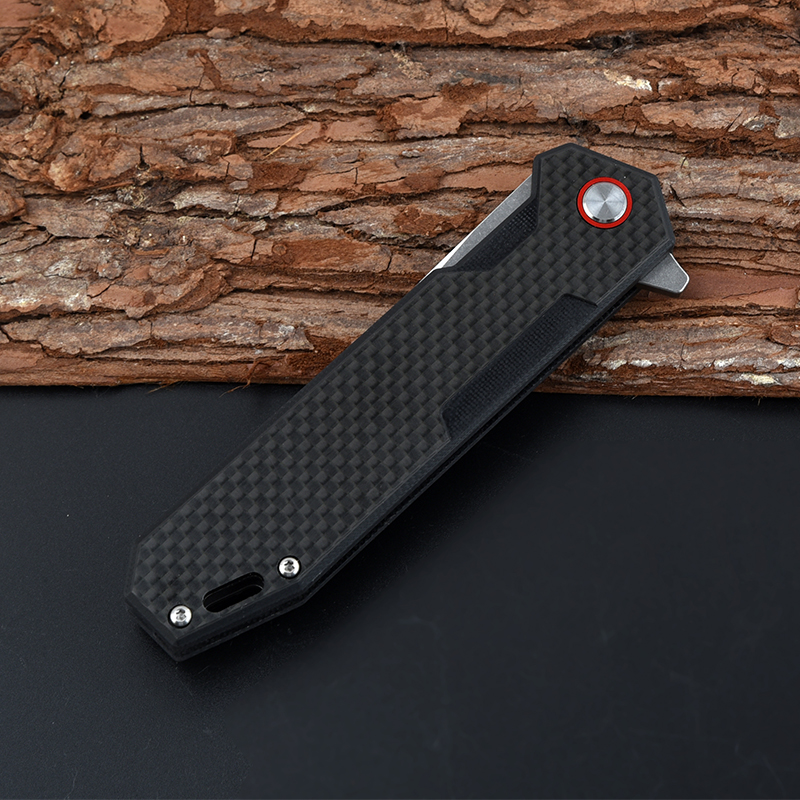
The figures below are buyer-planning ranges, not guaranteed factory commitments. Actual output, MOQ, lead time, and certification status vary by material, design complexity, tooling needs, packaging, season, order backlog, and whether components are made in-house or subcontracted. Always obtain a written quotation and supporting documents for the specific project.
| Manufacturer | Main Focus | Typical Buyer Fit | Estimated MOQ Planning Range | Capacity Profile | Publicly Stated Certifications / Notes |
|---|---|---|---|---|---|
| Yangjiang Holin Industrial Co., Ltd. | Folding knives, pocket knives, utility knives, outdoor tools | Small-to-mid-sized brands and custom OEM/ODM programs | Discuss by project; usually depends on model and packaging | Scalable Yangjiang manufacturing with in-house product-development support | Company states 5 designers and 12 technical experts; confirm project-specific compliance documents |
| WE Knife Co., Ltd. | Premium EDC folders, titanium, carbon fiber, advanced steels | Premium brands and high-value product programs | Typically higher for proprietary development | Established quality-knife manufacturer | Founded in 2000 as OEM manufacturer; verify current B2B program and certificates directly |
| CIVIVI | Accessible EDC folding knives | Retail benchmarking and branded-product comparison | Not generally positioned as standard private-label supply | Supported by WE Knife ecosystem | Subsidiary of WE Knife; verify any B2B customization separately |
| Kizer Knives | Design-driven EDC and premium-value folders | Designer-led and enthusiast-market brands | Typically project-dependent | International branded EDC presence | Founded in 2012; verify factory/OEM status and product compliance directly |
| RUIKE Outdoor Tools Manufacturing | Outdoor knives, EDC, multi-tools | Functional, value-to-mid-market brands | Project-dependent | Long-running design and manufacturing background | Founded in 1998; company states cryogenic blade treatment |
| Ganzo / Firebird | Outdoor tools, multi-tools, affordable folders | Hardware, camping, and value retail | Often more favorable for volume programs | Broad outdoor-tool orientation | Yangjiang-based brand with more than 20 years of stated history |
| Yangjiang Winbow Industry and Trade Co., Ltd. | Knife-related products, materials and gift-box customization | Multi-SKU retail and gifting programs | Project-dependent | Modern facilities stated publicly | ISO 9001 and BSCI stated publicly; verify certificate validity and scope |
| Yangjiang Yeehand M&T Co., Ltd. | Tactical, EDC, titanium-related folding knives | Private-label EDC and tactical-style brands | Discuss directly | Small-to-medium supplier profile in marketplace listings | OEM/ODM listed; formal certification details should be verified |
| Yangjiang Zhusheng Hardware Factory | Survival and field-use knives | Outdoor, camping, work-tool buyers | Discuss directly | Small-to-medium OEM profile | OEM support listed; verify quality-system documentation directly |
| Yangjiang Precision Industries Co., Ltd. | Tactical, fixed blade, CNC survival knives | Rugged outdoor and technical product programs | Discuss directly | CNC-oriented product positioning | ODM/full customization listed; certification status should be confirmed |
A folding knife is not a single component. It is a system. Small inconsistencies in heat treatment, pivot tolerances, detent geometry, washer quality, screw hardness, or lock fit can materially affect user safety, product returns, and brand reputation.
A purchase order should name the exact steel grade rather than allowing broad wording such as "stainless steel" or "high-carbon steel."
| Steel Grade | General Positioning | Common Use | Buyer Consideration |
|---|---|---|---|
| 3Cr13 | Entry-level stainless steel | Promotional knives, low-cost utility products | Adequate for low-price products but should not be sold with premium edge-retention claims |
| 5Cr15MoV | Budget-to-mid-range stainless steel | Kitchen, utility, and entry outdoor knives | Good balance for basic corrosion resistance and easy sharpening |
| 7Cr17MoV | Mid-range stainless steel | Outdoor and general folding knives | Common option for practical, affordable folders |
| 8Cr13MoV | Mid-range stainless steel | EDC and outdoor folding knives | Widely used; performance depends heavily on heat treatment |
| 9Cr18MoV | Higher corrosion resistance and hardness potential | Better outdoor and EDC knives | Appropriate for upgraded mainstream programs |
| D2 | Semi-stainless tool steel | EDC, tactical-style, and higher-value folders | Good wear resistance but can require more corrosion care |
| VG-10 | Premium stainless steel | Higher-end EDC and outdoor knives | Suitable for premium positioning when material authenticity is documented |
| M390 / CPM 20CV / S35VN | Premium powder metallurgy steels | Premium enthusiast and collector products | Requires strong process control and credible traceability |
Material cost is only part of the story. A well-heat-treated 8Cr13MoV blade can outperform a poorly processed premium steel blade in actual customer use. Ask the manufacturer to define the target Rockwell hardness range—for example, a range such as 57–59 HRC where appropriate for the specified steel and design—and identify how and where hardness is tested.
The lock structure should match the intended use case and retail price.
- Liner lock: Common, economical, compact, and easy to manufacture at scale; requires consistent lock-bar engagement and proper detent tuning.
- Frame lock: Often used with metal handles such as titanium or stainless steel; can create a premium feel but requires careful lock-bar geometry.
- Back lock: Traditional, strong, and familiar to many outdoor consumers; can be suitable for classic pocket knives and field-use models.
- Slip joint: Non-locking design used in markets or product categories where lock restrictions matter; requires a controlled spring tension and safe half-stop design where applicable.
- Button lock: Convenient one-handed operation but demands careful safety, tolerance, and repeated-cycle testing.
- Crossbar-style lock: Popular in some EDC categories; buyers should verify the mechanism's patent landscape and avoid copying protected structures without authorization.
Common folding-knife handle materials include stainless steel, aluminum, G10, FRN, carbon fiber, wood, micarta, titanium, ABS, and polypropylene. Buyers should choose based on intended retail positioning, grip performance, weather resistance, manufacturing cost, and required cosmetic consistency.
For example:
- G10 provides good grip and a technical outdoor appearance.
- FRN or reinforced nylon suits lightweight, practical, value-oriented folders.
- Aluminum can offer a refined look with controlled anodizing.
- Titanium supports premium positioning but raises material and CNC machining costs.
- Wood can add visual warmth, although moisture stability and color variation must be managed.
The most expensive failures in folding knife sourcing often come from specifications that appear clear but are not controlled in production.
The most common problem is not always outright fraud. It may be a supplier using a generic equivalent, sourcing mixed steel batches, or quoting one material but making substitutions after the sample stage.
How to prevent it
- State the steel grade in the purchase order and product specification.
- Require a material declaration for the production lot.
- Ask for mill certificates when the project and order value justify it.
- Use independent laboratory testing for first orders, high-value steels, or claims-sensitive products.
- Include random destructive sample testing in the quality plan when feasible.
A manually finished prototype can look excellent. A mass-production unit made under time pressure may have blade play, uneven grinds, poor centering, inconsistent lock engagement, or rough edges.
How to prevent it
- Approve a golden sample signed by both buyer and supplier.
- Require a pre-production sample made using production-intended materials and processes.
- Define allowed cosmetic defects with photos and measurable criteria.
- Conduct pre-shipment inspection using AQL sampling.
- Retain sealed reference samples from the approved production lot.
A supplier may claim "58–60 HRC" without defining test location, test frequency, test method, or whether the quoted range is measured before or after finishing.
How to prevent it
- Specify the target HRC range by blade steel.
- Specify test method and test location.
- Require a documented hardness record for first article and production batches.
- Confirm whether grinding or sharpening could alter edge-zone hardness.
- Test a random production sample through an independent laboratory if the claim affects retail marketing.
MOQ is not only about unit quantity. It can be driven by blade steel purchase quantities, handle tooling, anodizing color, custom clip stamping, packaging print runs, and logo-marking setup.
How to prevent it
Ask the supplier to separate the quotation into:
- Product MOQ.
- Blade-steel MOQ.
- Handle-material MOQ.
- Color MOQ.
- Custom packaging MOQ.
- Tooling charge.
- Sample charge.
- Packaging-plate or print setup cost.
- Reorder MOQ.
A factory may show a popular market design as an example of capability. That does not mean the buyer has the right to sell the design in another market.
How to prevent it
- Use original industrial design and branding.
- Confirm ownership of tooling and design files.
- Conduct intellectual-property review in intended sales markets.
- Avoid requesting "the same as" a famous branded model.
- Include a contract clause stating that the supplier will not sell your proprietary tooling or branded packaging to other customers.
One of the most useful but rarely discussed checks is to evaluate the production handoff, not just the sample.
Many knife factories can make one good prototype. The bigger question is whether the approved sample is converted into a controlled manufacturing document that every department can follow. Ask to see—or require your supplier to create—a version-controlled production specification containing:
- Blade steel grade and thickness.
- Blade profile and grind geometry.
- Target blade hardness range.
- Blade finish standard.
- Pivot and washer or bearing configuration.
- Lock engagement standard.
- Handle material and color code.
- Screw type, finish, and torque requirement.
- Blade-centering acceptance criterion.
- Opening and closing force target.
- Required functional cycle test.
- Packaging dimensions and carton packing method.
- Final-inspection checklist.
- Approved reference photographs.
This document is more valuable than an attractive sample alone. It converts a product concept into a repeatable manufacturing standard.
Before contacting factories, prepare a concise but technical request for quotation. Include:
- Intended market and end use.
- Target retail price and target landed cost.
- Blade length, overall length, and thickness.
- Blade steel and target hardness.
- Lock mechanism.
- Handle material and finish.
- Pocket clip requirement.
- Surface treatment, coating, or engraving.
- Logo placement.
- Packaging type.
- Expected annual volume.
- Desired sample date and production delivery date.
- Destination country and compliance expectations.
A detailed RFQ typically receives more accurate quotations and faster engineering feedback than a one-line request for "best price folding knife."
Shortlist three to five suppliers, not ten. Compare them using the same RFQ, drawings, packaging brief, and order-volume forecast. This makes price, lead time, and engineering capability easier to compare fairly.
Ask each supplier:
- Are you a manufacturer, trading company, or both?
- Which processes are completed in-house?
- Which processes are outsourced?
- What is your monthly output for folding knives?
- What is your normal lead time for samples and repeat orders?
- What is your MOQ for this exact specification?
- Can you provide design-for-manufacturing feedback?
- What inspection equipment is used?
- Can you provide production and pre-shipment inspection reports?
- Do you have experience shipping to our destination market?
- What documents can you provide for materials, testing, packaging, and social-compliance requirements?
A factory audit can be performed in person, through a third-party inspection company, or initially through a live video walkthrough. A useful audit should include the actual production site, not only a showroom.
Verify:
- Legal company name and registered address.
- Factory location and production space.
- Blade blanking, grinding, heat-treatment, assembly, and packaging process.
- Incoming material storage and traceability.
- Inspection tools and records.
- Nonconforming-product area.
- Production-line organization.
- Packaging and carton storage.
- Worker safety and process discipline.
- Previous export markets where the supplier has relevant experience.
Use at least three sample stages for a new custom folding knife:
1. Concept or prototype sample: Confirms the basic appearance and design direction.
2. Engineering sample: Confirms materials, dimensions, lock function, assembly feasibility, and packaging fit.
3. Pre-production sample: Produced with mass-production-intended materials, machinery, process flow, and packaging.
Do not proceed to mass production until the pre-production sample is approved in writing.
For folding knives, final inspection should include more than visual appearance. It should cover:
- Blade centering.
- Blade play.
- Smooth opening and closing.
- Lock engagement and release.
- Handle alignment.
- Screw tightness.
- Sharp-edge safety outside the cutting edge.
- Coating or surface-finish consistency.
- Logo location and readability.
- Packaging accuracy.
- Barcode and labeling accuracy.
- Carton drop resistance where applicable.
AQL inspection is common for export orders, but the correct AQL level depends on product risk, price point, order volume, and customer expectations. Critical safety or functional defects should generally be set to zero tolerance.
Before production begins, consult a customs broker and legal adviser familiar with the destination market. Folding-knife laws can vary by country, state, province, city, blade length, locking mechanism, opening method, and intended use.
Confirm:
- Correct HS code.
- Country-of-origin labeling.
- Destination-country knife restrictions.
- Retail package warnings or age restrictions.
- Battery, electronic, or accessory requirements if applicable.
- Insurance coverage.
- Incoterms, such as EXW, FOB, CIF, DDP, or DAP.
- Carton dimensions and chargeable shipping weight.
- Import duty, taxes, and anti-dumping or special tariff exposure where applicable.
China offers a broad range of folding-knife manufacturing options—from practical utility folders and outdoor tools to premium EDC products with advanced steels, titanium handles, and precision-machined components. The most productive sourcing decision is not simply choosing the lowest quote or the best-known name. It is selecting a supplier whose manufacturing depth, development process, quality controls, commercial flexibility, and product-market fit match your actual program.
For brands and importers that need a responsive Yangjiang-based partner for folding knives, pocket knives, utility knives, and outdoor tools, Yangjiang Holin Industrial Co., Ltd. is a practical factory to include in the initial supplier shortlist. Its product-development resources, OEM/ODM support, and emphasis on serving customized projects can be especially relevant to small and mid-sized brands building their first or next private-label knife range.
The next step is to send a detailed RFQ, request comparable samples from shortlisted factories, confirm material and functional specifications, and approve a production-ready golden sample before committing to a bulk order.
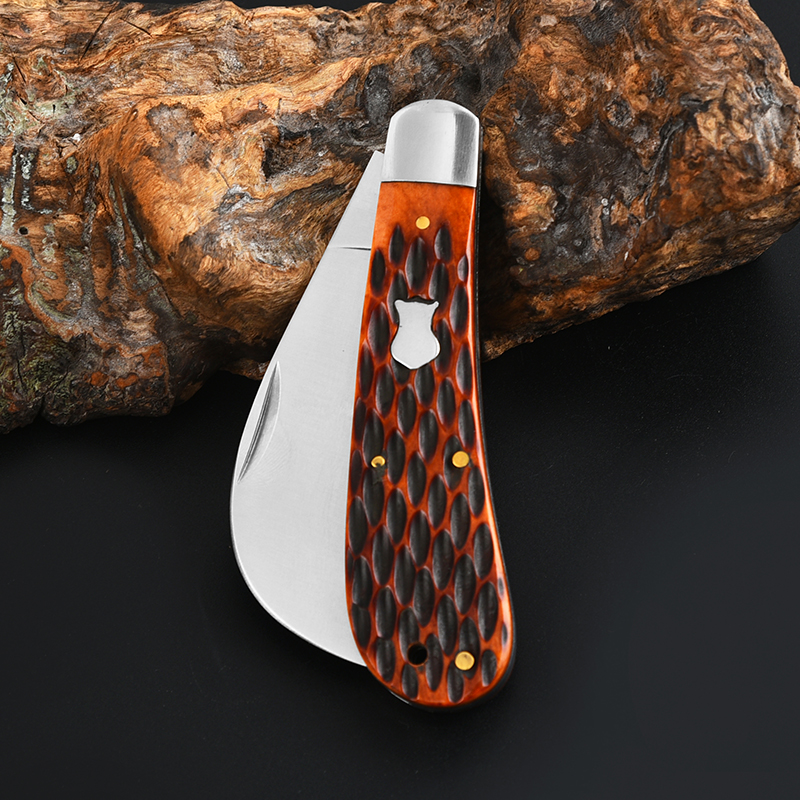
Ask for the full certificate rather than a cropped image. Check the legal company name, factory address, certificate number, issue date, expiry date, scope, and certification body. Then contact the certification body or search its online certificate database where available. The certificate must cover the production site that will make your order, not an unrelated affiliate or office.
MOQ depends on design complexity and the number of custom elements. A stock model with a logo may have a relatively low MOQ, while a new blade profile, custom handle mold, special anodized color, branded clip, and printed retail box can require several separate minimums. Ask for a cost breakdown by product, material, tooling, hardware, finish, and packaging before comparing suppliers.
Start with a written material specification and request the supplier's purchase documentation or material declaration. For higher-value products or steel claims used in marketing, submit samples from the actual production lot to an independent testing laboratory. Chemical-composition testing can help verify whether the material is consistent with the claimed steel family, while hardness testing verifies heat-treatment outcome.
Ball bearings can provide very smooth opening action and appeal to EDC consumers, but they may be more sensitive to contamination and component tolerances. Phosphor bronze or nylon washers can be durable, cost-effective, and easier to maintain in utility or outdoor applications. Choose based on the intended user, environment, target retail price, and desired deployment feel.
At minimum, include blade material, hardness range, blade centering, lock engagement, blade play, opening action, edge condition, screw torque, handle alignment, coating consistency, logo accuracy, packaging condition, carton marking, and functional-cycle testing. Use photographs of acceptable and unacceptable defects so the factory and third-party inspector apply the same standard.
- [China General Administration of Customs] — Official customs and trade information source for China.
- [China Council for the Promotion of International Trade] — Trade-promotion and exporter-support information.
- [World Customs Organization Harmonized System] — Background on international customs classification.
- [U.S. International Trade Commission Harmonized Tariff Schedule] — Official U.S. tariff classification reference.
- [European Commission Access2Markets] — EU import requirements, tariffs, and trade procedures.
- [ISO Certificate Verification Guidance] — Guidance on management-system certification and certification bodies.
- [Business Social Compliance Initiative information] — Background on amfori BSCI social-compliance assessments.
- [WE Knife Company profile] — Company background and manufacturing history. [weknife]
- [RUIKE company profile] — Company background and product-process information. [ruikeknives]
- [Yangjiang Holin Industrial Co., Ltd.] — Folding-knife, pocket-knife, utility-knife, and outdoor-tool manufacturing overview. [holintools]


