


Views: 218 Author: Holin Knife Publish Time: 2026-08-21 Origin: Site


Content Menu
● What Makes a Pocket Knife Good for Hiking?
● Folding Knife or Fixed Blade for Hiking?
>> Folding Pocket Knives: Best for Everyday Hiking
>> Fixed-Blade Knives: Best for More Demanding Outdoor Use
● Choose Blade Steel for Your Hiking Environment
>> Stainless Steel for Wet and Low-Maintenance Use
>> Carbon Steel for Edge Feel and Field Sharpening
>> Blade Geometry Matters as Much as Steel
● A Trail-Task Checklist Before Buying
● How to Select the Right Pocket Knife for Your Hiking Style
>> For Wet, Coastal, or Tropical Conditions
● Pocket Knife Safety: Practical Habits That Matter
● Maintenance Tips for Pocket Knives Used Outdoors
● Carry Rules and Local Restrictions
● Develop a Hiking Knife Line That Customers Trust
● FAQ
>> What blade length is best for a hiking pocket knife?
>> Is a folding knife enough for hiking?
>> What is the best blade shape for hiking?
>> Should I choose stainless or carbon steel?
>> How should I clean a hiking knife after use?
>> Can I take a pocket knife into a national park?
>> What should outdoor brands customize in an OEM pocket knife project?
A dependable pocket knife for hiking is not about carrying the largest blade—it is about carrying a well-designed cutting tool that is easy to control, comfortable to use, and appropriate for the tasks and regulations of your destination. For day hikers, campers, and outdoor retailers, the best hiking pocket knives balance portable size, secure lockup, corrosion resistance, ergonomic grip, and reliable cutting performance.
From a product-development perspective, the most successful outdoor knives are built around real trail use: opening food packages, cutting cordage, trimming repair tape, preparing small meals, shaping tinder where permitted, and handling minor gear repairs. A practical design should make these everyday jobs easier without adding unnecessary weight or complexity.
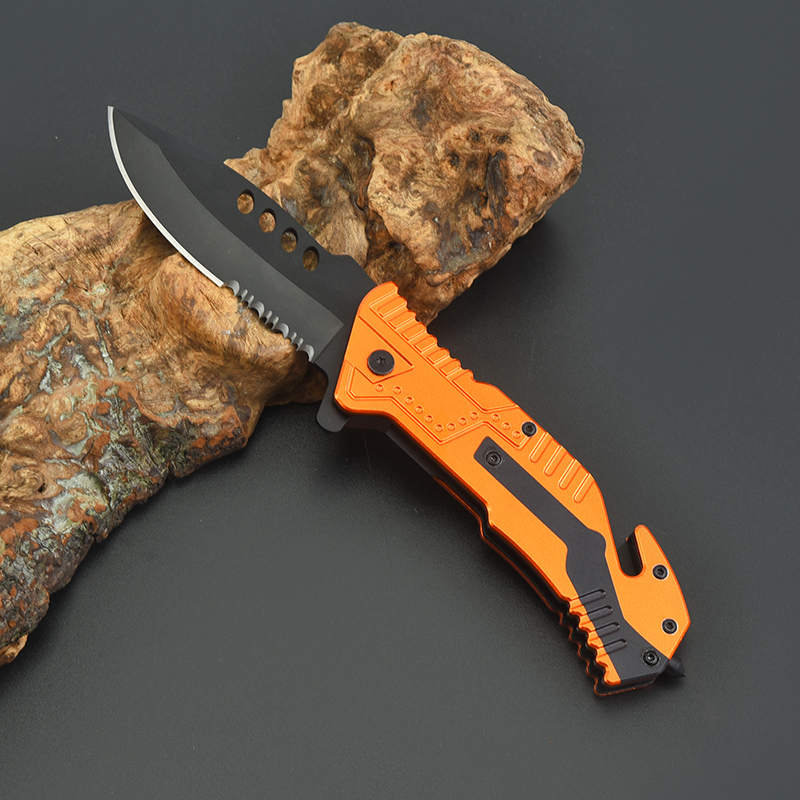
A hiking knife should be selected as a tool, not as a display item. The right model depends on trip duration, climate, carry preference, local rules, and the user's expected tasks.
For most hikers, a compact folding knife with a blade around 2.5–3.5 inches offers a versatile everyday format. It can fit comfortably in a pocket, hip-belt pouch, or organizer while remaining capable of handling common camp and trail tasks.
| Feature | Why It Matters on the Trail | Practical Recommendation |
|---|---|---|
| Blade steel | Determines edge retention, toughness, corrosion resistance, and sharpening effort | Choose stainless or corrosion-resistant steel for humid, coastal, or rainy routes |
| Blade shape | Affects control, slicing ability, and tip strength | Drop-point and sheepsfoot profiles suit most general outdoor tasks |
| Blade length | Influences portability, control, and local compliance | A compact 2.5–3.5 inch blade suits many hiking applications |
| Lock mechanism | Helps keep folding blades stable during controlled cutting | Select a design with consistent lock engagement and easy operation |
| Handle texture | Improves grip when hands are wet, cold, sweaty, or gloved | Textured G10, micarta, aluminum, or reinforced polymer are common options |
| Carry method | Determines whether the knife is accessible and secure | Pocket clip, lanyard hole, pouch, or sheath should match the user's gear setup |
| Weight | Matters most for day hikes and ultralight packing | Many users prefer a compact knife below 4 ounces |
The best hiking knife is one you can carry comfortably, operate confidently, and maintain easily. A knife left at home because it is too heavy, too bulky, or inconvenient to carry does not improve trail readiness.
Both formats have a place in outdoor equipment lines. The choice comes down to how the product will be used.
A folding knife is usually the most practical option for casual hikers, travelers, and day-trip users. It stores safely in the handle and typically offers a low-profile carry format.
Best suited for:
- Day hiking and walking trails
- Opening packages and cutting snacks
- Cutting paracord, webbing, tape, and fishing line
- Small equipment repairs
- Lightweight camping kits
- Retail gift sets and branded outdoor merchandise
A folding knife should open smoothly, lock securely where applicable, and avoid sharp handle edges that create discomfort during prolonged cutting. For OEM product development, clip orientation, opening method, blade thickness, lock style, and handle material can all be tailored to a brand's preferred user profile.
A fixed blade is generally simpler and easier to clean because it has no pivot area or folding mechanism. It can offer added strength and immediate access when stored in a properly designed sheath.
Best suited for:
- Extended backcountry trips
- Bushcraft-oriented activities
- Fishing and field processing tasks
- Camp cooking and repeated food preparation
- Customers who prioritize robust construction over compact carry
However, more blade is not always better. A large fixed blade can be unnecessary for typical hiking tasks, harder to carry discreetly, and subject to more restrictions depending on the destination.
Steel selection is one of the most important decisions in outdoor knife design. There is no universal "best" steel because performance always involves trade-offs.
Stainless steels are often the most practical option for hikers who travel in humid, rainy, coastal, or high-sweat environments. They generally provide stronger resistance to rust than carbon steels, reducing maintenance demands after exposure to moisture.
For an outdoor folding knife, stainless steel can be a strong choice when the target customer values convenience and dependable daily carry.
Advantages include:
- Better resistance to moisture and staining
- Lower maintenance burden
- Suitable for food preparation and general cutting
- Strong appeal for mainstream outdoor retail customers
Carbon steel can offer excellent toughness and sharpening response, but it requires more attentive care. Moisture, acidic foods, fingerprints, and wet sheaths can accelerate corrosion if the blade is not cleaned and dried.
This material is often better suited to users who understand knife maintenance and intentionally choose a more traditional outdoor tool.
Important: A carbon-steel hiking knife should be wiped dry after use and protected with an appropriate light oil or corrosion-control treatment when stored.
A premium steel cannot compensate for poor blade geometry. The blade should match the likely task:
- Drop-point blades provide a versatile balance of slicing ability, point control, and durability.
- Sheepsfoot blades are useful for controlled cuts, food preparation, and situations where a lowered point can reduce accidental punctures.
- Wharncliffe blades offer precise tip control for detailed cutting.
- Clip-point blades can provide a fine point but may be less ideal when tip durability is the priority.
- Partially serrated blades can help with fibrous materials such as rope and webbing, but plain edges are usually easier to sharpen and more versatile for food-related use.
For broad consumer demand, a compact plain-edge drop-point or sheepsfoot folding knife is often an effective starting point.
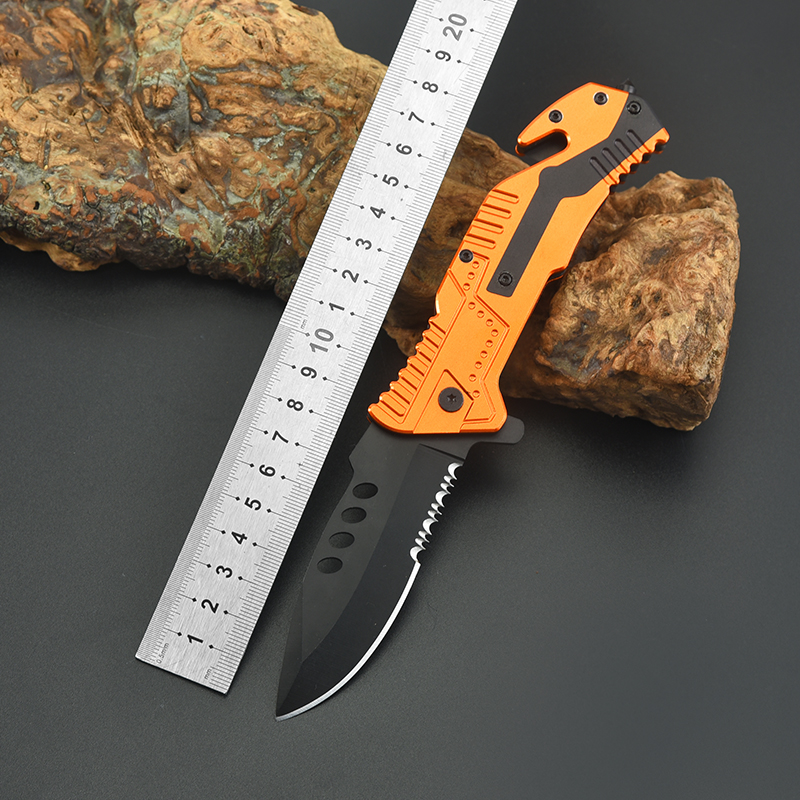
Instead of choosing based only on appearance, hikers should identify the jobs the knife will perform most often.
A hiking knife should be able to slice fruit, cheese, bread, dried meat, and packaged meals without being overly thick behind the edge. A comfortable handle matters here because campsite food preparation can involve repeated cutting.
Look for:
- A clean, easy-to-wipe blade finish
- A handle without difficult-to-clean gaps
- A blade profile that allows controlled slicing
- Materials suitable for repeated outdoor use
Trail users regularly cut paracord, shoelaces, webbing, repair tape, zip ties, and packaging. A sharp, controllable edge is usually more useful than an oversized blade.
Look for:
- Strong edge stability
- A secure grip for pull cuts
- Controlled tip geometry
- A dependable lock or stable fixed-blade construction
A knife can be useful for cutting fabric, tape, bandage material, or damaged gear. It should not be treated as a substitute for navigation skills, first-aid training, weather planning, or essential safety equipment.
Carry a knife as part of a broader system that includes:
- A first-aid kit
- Navigation tools
- Illumination
- Water and food
- Weather-appropriate clothing
- Emergency communication where appropriate
Outdoor users should avoid damaging living trees or vegetation simply to test a knife. Cutting branches, carving trees, or leaving blade marks at campsites can harm natural areas and reduce the experience for future visitors. Outdoor ethics resources specifically advise against using trees as targets or storage sites for knives.
Choose a compact folding knife that is lightweight, corrosion resistant, and easy to carry. A blade around 2.5–3 inches is often sufficient for snacks, cordage, packaging, and minor repair work.
Recommended product direction:
- Lightweight stainless-steel folder
- Simple one-hand opening option where lawful
- Secure pocket clip
- Textured handle
- Plain cutting edge
Campers may benefit from a slightly larger folding knife or compact fixed blade. Comfort becomes more important because the knife may be used for meal preparation, cordage, tent adjustments, and repeated camp tasks.
Recommended product direction:
- 3–3.5 inch blade
- Ergonomic handle contour
- Strong lock or compact full-tang design
- Corrosion-resistant blade finish
- Compatible sheath or deep-carry clip
For ultralight kits, every gram matters. The goal is not maximum strength; it is an efficient tool that performs the expected tasks with minimal pack weight.
Recommended product direction:
- Slim folding knife
- Lightweight handle construction
- Compact blade profile
- Minimal but functional hardware
- Secure retention in pocket or pouch
Humidity and salt exposure can challenge both blade steel and hardware. Select corrosion-resistant materials, avoid storing a wet knife in a closed sheath, and inspect pivots and screws regularly.
Recommended product direction:
- Stainless blade steel
- Rust-resistant screws and pocket clip
- Easy-to-clean construction
- Textured non-absorbent handle
- Simple maintenance instructions included with the product
A sharp knife is generally safer than a dull one because it requires less force. But sharpness alone does not prevent injuries. Safe use depends on body position, cutting direction, grip, attention, and storage.
1. Check your cutting path before opening the knife.
2. Cut away from your body and keep the other hand out of the blade's path.
3. Use a stable surface rather than cutting against your leg or knee.
4. Avoid twisting the blade inside rigid material, which can damage the edge or tip.
5. Close or sheath the knife immediately after completing the task.
6. Keep the pivot, lock, and screws clean on folding knives.
7. Do not lend a knife open-handed. Close it first, then pass it safely.
For brands building private-label outdoor tools, clear safety instructions should be included in packaging, manuals, product pages, and after-sales materials. This improves user confidence and can reduce preventable misuse.
Regular maintenance extends useful life and supports consistent cutting performance.
- Remove dirt, food residue, plant sap, and moisture.
- Dry the blade, handle, pivot area, and pocket clip.
- Inspect for debris around the lock and opening mechanism.
- Check screws for loosening where applicable.
- Store the knife dry rather than sealing it wet inside a pouch or sheath.
Use a suitable sharpener and maintain the original edge angle as closely as practical. Do not wait until the knife becomes difficult to control. A lightly maintained edge typically requires less work than restoring a severely dulled one.
Use lubricant sparingly. Excess oil can collect dust and grit inside the pivot. After cleaning, open and close the knife several times, then wipe away excess lubricant.
Knife rules vary by country, state, province, city, trail system, transportation provider, school zone, and public venue. Blade length, opening mechanism, locking design, carry method, and intended use may all affect whether a knife can be carried legally.
In the United States, the American Knife & Tool Institute provides state-by-state legal summaries and emphasizes that users should understand the laws where they live, work, and travel. Regulations can change, so hikers should verify current official rules before each trip.
For U.S. National Park Service areas, rules may also interact with federal, state, and site-specific regulations. Visitors should review the park's current guidance and any superintendent's compendium before entering.
Do not rely on general online advice as legal guidance. Check official local sources, transport rules, and destination-specific restrictions before carrying any knife.
A high-performing outdoor knife collection begins with a clear customer profile. Rather than offering many similar designs, brands can create a focused range for distinct hiking scenarios: ultralight day hiking, general camping, wet-weather trekking, fishing-oriented outdoor use, and premium collector-focused everyday carry.
Yangjiang Holin Industrial Co., Ltd. supports outdoor knife brands, importers, wholesalers, and retailers with integrated OEM/ODM development and scalable production capabilities. From concept sketches and blade profiles to handle materials, packaging, logo application, and bulk manufacturing, a coordinated development process helps turn a market idea into a consistent product line.
A successful custom hiking knife project should define:
- Target user and intended use
- Blade shape, dimensions, and steel preference
- Folding or fixed-blade construction
- Handle material, color, texture, and ergonomic requirements
- Lock type and carry configuration
- Packaging, branding, and instruction materials
- Quality-control standards and order quantity expectations
Ready to build a distinctive pocket knife collection for hiking, camping, or everyday outdoor carry? Contact Yangjiang Holin Industrial Co., Ltd. to discuss your OEM/ODM requirements, product concept, target market, and production plan.
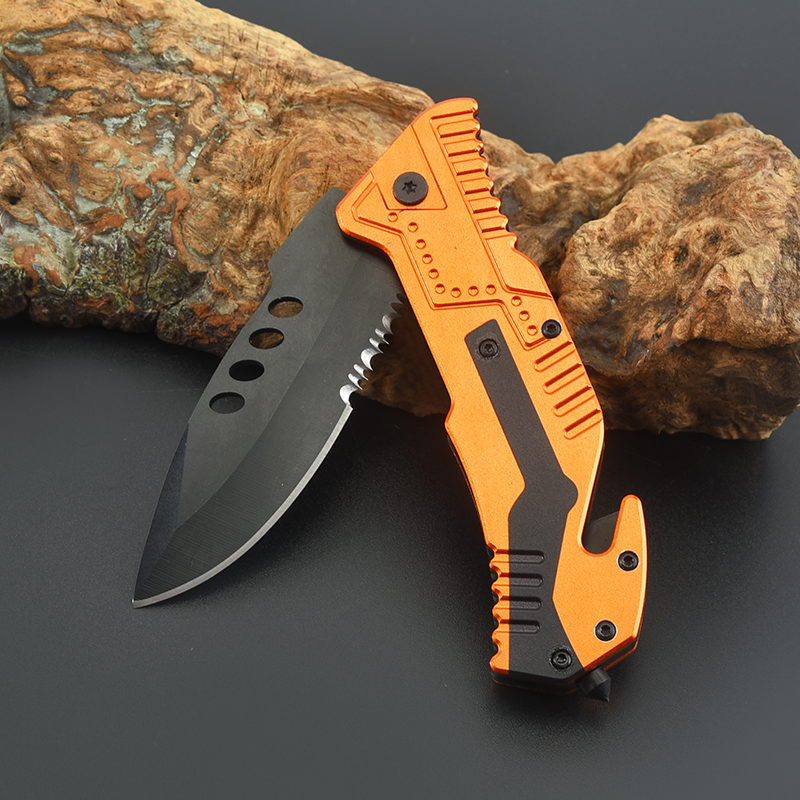
For many general hiking tasks, a 2.5–3.5 inch blade offers a practical balance of control, portability, and cutting capability. Always verify local rules before carrying a knife.
Yes. A well-made folding knife is sufficient for many day hikes, camping trips, food preparation tasks, cordage cutting, and basic gear repairs. Choose a secure, comfortable, and easy-to-maintain design.
A drop-point blade is a versatile choice because it combines a useful belly for slicing with a strong, controlled tip. Sheepsfoot blades can also work well for food preparation and controlled cutting.
Choose stainless steel if you want easier maintenance and better corrosion resistance in wet conditions. Choose carbon steel if you value sharpening response and are prepared to clean, dry, and protect the blade regularly.
Wipe away moisture and debris, clean food residue promptly, dry all parts thoroughly, and inspect the pivot and lock on folding knives. Apply a light protective lubricant only when needed.
Rules vary by location and may depend on federal, state, local, and park-specific regulations. Review the destination's official requirements before your trip.
Key options include blade profile, blade steel, handle material, lock design, surface finish, clip style, logo placement, packaging, colorways, and product instructions.
1. [CRKT — Best Pocket Knives for Hiking: Essential Tools for Outdoor Enthusiasts]
2. [American Knife & Tool Institute — State Knife Laws]
3. [American Knife & Tool Institute — Knife Owner Resources]
4. [American Knife & Tool Institute — Finding Knife Laws]
5. [Cornell Law School — 36 CFR § 2.4: Weapons, Traps and Nets]
6. [National Park Service — Laws and Policies, Appalachian National Scenic Trail]
7. [American Museum of Natural History — Outdoor Skills & Ethics / Leave No Trace]


