


Views: 257 Author: Holin Knife Publish Time: 2026-09-23 Origin: Site


Content Menu
● Why Add a Paracord Wrap to a Knife Handle?
● When a Paracord-Wrapped Handle Makes Sense
>> Good Uses for a Cord-Wrapped Handle
>> When You Should Choose Scales Instead
● Materials and Tools You Need
● How Much Paracord Do You Need?
● Step-by-Step: Easy Paracord Wrap for a Knife Handle
>> 1. Clean and Inspect the Handle
>> 2. Make the Knife Safe to Handle
>> 3. Position the Starting Loop
>> 4. Begin Wrapping With Even Tension
>> 6. Thread the End Through the Loop
>> 7. Trim and Seal the Cord Ends
● Common Mistakes That Make a Wrap Fail
>> Loose Coils
>> Using the Cord Beyond Its Limits
● Product Development Insights for Knife Brands
>> Design Questions to Ask Before Production
>> Customization Opportunities
● Care and Maintenance for a Wrapped Knife Handle
● Final Thoughts: Build a Better Grip Around Real Use
● FAQ
>> 1. What type of paracord is best for wrapping a knife handle?
>> 2. How much paracord do I need for a knife handle?
>> 3. Will a paracord wrap make a knife handle more comfortable?
>> 4. Can I wrap a folding knife handle with paracord?
>> 5. Is 550 paracord safe for climbing or rescue use?
>> 6. Can I remove the paracord later?
>> 7. Does paracord hold moisture against a knife handle?
A paracord knife handle wrap is one of the simplest ways to improve the grip, comfort, and field utility of a fixed-blade knife, skeletonized knife, pocket tool, or outdoor cutting tool. When completed correctly, a tight 550 paracord wrap can reduce hand contact with bare metal, add controlled texture, and keep a usable length of cord available for non-critical camp, repair, or gear-organization tasks.
For knife brands, outdoor-tool retailers, and private-label buyers, paracord wrapping is also more than a do-it-yourself detail. It is a practical product-design option that can help differentiate a lightweight knife, improve the perceived value of a skeleton handle, and create a more distinctive color or branding presentation. At Yangjiang Holin Industrial Co., Ltd., our product-development and manufacturing teams work with global customers on folding knives, pocket knives, utility knives, outdoor tools, and OEM/ODM projects that require dependable production and customizable functional details.
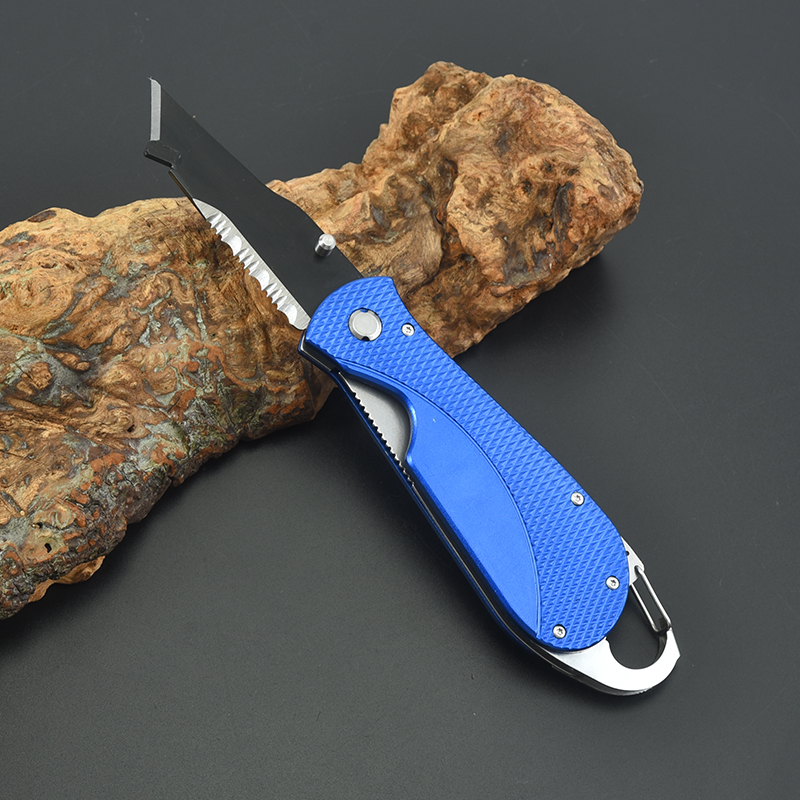
A bare steel handle can be compact and lightweight, but it may feel cold, narrow, or slippery during extended use. A properly installed cord wrap creates a more tactile contact surface while preserving the minimal profile of the tool.
The strongest reason to use a paracord wrap is not decoration. It is functional grip improvement.
A cord-wrapped handle can offer several practical benefits:
- Adds texture to smooth or flat handle surfaces
- Improves comfort on skeletonized fixed blades
- Helps reduce direct contact between the hand and cold metal
- Creates a more visible, personalized outdoor-tool appearance
- Allows color matching with backpacks, sheaths, uniforms, or brand identity
- Provides a removable cord reserve for light-duty field tasks
- Supports compact knife designs that do not require thick handle scales
Type III nylon paracord, often called 550 cord, is commonly selected for handle wrapping because it combines flexibility, abrasion resistance, and a nominal 550-pound minimum breaking strength. Typical 550 paracord measures about 4 mm in diameter and usually includes a braided outer sheath and multiple internal strands.
However, users should understand what this rating means. The stated strength is generally a breaking-strength figure, not a recommended working load. A cord removed from a handle may also be damaged, melted, cut, contaminated, or weakened by knots. It should never be treated as climbing rope, rescue equipment, or life-safety gear.
Paracord wrapping is especially useful on knives and tools with exposed tangs, handle holes, or narrow metal grips. It can be an economical alternative to permanent scales when low weight, compact carry, and field adaptability are priorities.
A wrap can work well on:
- Skeletonized fixed-blade knives
- Compact neck knives
- Camping and bushcraft knives
- Lightweight survival tools
- Small utility knives with exposed tang handles
- Outdoor carving tools
- Training knives with blunt edges
- Emergency or backup cutting tools
For a compact outdoor knife, the wrap can soften sharp handle edges and give the user a more secure reference point when wearing gloves or working in damp weather.
A paracord wrap is not always the best handle solution. Full handle scales may be preferable when the knife is intended for heavy repetitive cutting, food preparation, wet industrial environments, or long-duration professional use.
Consider molded polymer, G10, Micarta, aluminum, wood, or rubberized scales when the product needs:
- High resistance to oil, mud, and embedded debris
- Easy washdown and sanitation
- A highly consistent ergonomic contour
- Minimal moisture retention
- Long-term comfort during intensive cutting
- A premium or highly engineered visual identity
A wrapped handle can trap water, dust, salt, and organic material. For that reason, users should remove, clean, and replace the cord when contamination, odor, looseness, or wear becomes noticeable.
Before you begin, prepare the work area and secure the knife. The most important rule is simple: keep the cutting edge covered and pointed away from your body.
| Item | Purpose | Recommended Choice |
|---|---|---|
| Paracord | Main wrapping material | Quality nylon 550 paracord |
| Measuring tape | Estimating cord length | Flexible tape or ruler |
| Scissors or cord cutter | Cutting the cord cleanly | Sharp scissors |
| Lighter or heat tool | Sealing cord ends | Use carefully in a ventilated area |
| Protective tape | Covering the blade edge | Electrical tape or painter's tape |
| Needle-nose pliers | Pulling cord through tight sections | Small smooth-jaw pliers |
| Clean cloth | Wiping the handle before wrapping | Lint-free cloth |
Avoid low-quality cord with an overly loose sheath, inconsistent diameter, or unknown material composition. Cheap cord can flatten unevenly, shed fibers, loosen under use, or melt poorly during finishing.
For product developers, cord selection also affects visual consistency. The diameter, weave density, colorfastness, surface texture, and melt behavior can all influence the finished appearance of a knife handle.
The required amount depends on the handle length, handle width, wrapping method, cord diameter, and whether you intend to add a lanyard or retention loop.
A useful starting estimate is:
Cord length=wrapped handle length×2.5 to 3.5 feet per inch
For example, a 3-inch exposed handle may require approximately 7.5 to 10.5 feet of paracord for a dense decorative braid. A simpler spiral wrap can require less, while a wider tang or more complex pattern can require more.
Always cut extra cord. It is easy to trim excess material, but difficult to extend a wrap once the cord is too short.
| Handle Length | Simple Wrap | Dense Braid or Cross Wrap |
|---|---|---|
| 2 inches | 4–6 feet | 6–8 feet |
| 3 inches | 6–8 feet | 8–11 feet |
| 4 inches | 8–10 feet | 11–14 feet |
| 5 inches | 10–13 feet | 14–18 feet |
These figures are practical estimates, not fixed rules. Before manufacturing a wrapped-handle product at scale, create physical samples and verify cord consumption, tension, labor time, finishing consistency, and fit with the sheath.
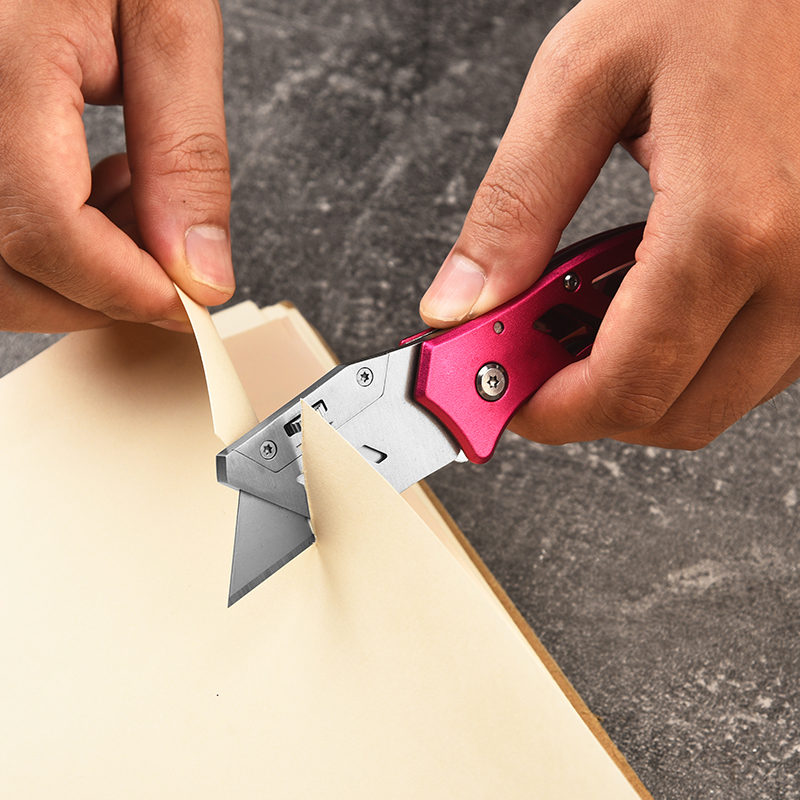
This method works well for a knife with a skeletonized tang, flat handle, or one or more lanyard holes. It creates a compact, secure wrap without adding excessive bulk.
Remove dirt, oil, loose adhesive, corrosion, or old cord from the handle. A clean surface helps the new wrap sit evenly and reduces the risk of trapped contamination.
Check the handle for sharp corners, burrs, or unfinished edges. Sharp metal edges can cut through paracord over time. If necessary, lightly deburr the contact points before wrapping.
Close a folding knife completely before starting. For a fixed blade, cover the entire cutting edge with several layers of tape.
Keep the knife stable on a flat work surface. Do not hold the exposed blade between your knees, place it on an unstable bench, or wrap toward your body.
Fold the paracord near its midpoint to create a bight, or loop. Place this loop along the handle so that its open end extends beyond the area you plan to wrap.
The loop will later help lock the finishing end underneath the completed coils. Position it carefully. If the loop is too short, it may disappear under the wrap before you can use it. If it is too long, it may create an uneven section.
Start at the butt end or the choil-side end of the handle, depending on your preferred finish. Pass the working cord around the handle repeatedly, covering the starting loop as you go.
Each turn should sit tightly beside the previous turn.
Do not overlap the coils unless your selected pattern specifically requires it. Overlapping creates high spots, uneven pressure, and a less comfortable grip.
A good wrap should feel firm, uniform, and controlled. If the cord slides easily after several turns, unwrap it and restart with greater tension.
After every few turns, push the coils together using your thumb, a smooth tool, or the back of closed pliers. This prevents visible gaps and helps the wrap remain compact.
Pay close attention around handle holes, finger grooves, and changes in tang width. Uneven geometry can cause cord stacking, which may create uncomfortable pressure points.
For a right-handed user, any thicker finishing area is often more comfortable when positioned toward the finger side of the grip rather than directly against the palm. The reverse may apply for left-handed users.
Once the wrap reaches the desired endpoint, pass the remaining working end through the exposed loop. Hold the wraps firmly in place.
Then pull the original standing end of the loop until the loop draws the working end back underneath the wrapped coils. This hidden tuck creates a clean, low-profile finish.
Use needle-nose pliers only if needed. Pull gradually. Excessive force can damage the cord sheath or distort the wrap.
Trim excess cord, leaving enough length to prevent the end from slipping out during final adjustment. Carefully melt the cut end with a lighter or heat tool, then press the softened nylon gently against the adjacent cord using a nonflammable metal tool.
Never press molten nylon with bare fingers. Melted synthetic material can cause serious burns.
The finished end should be discreet, smooth, and secure. Avoid large melted blobs, because they can feel uncomfortable and may create an unprofessional appearance.
After the wrap cools, inspect it from every angle. Grip the knife firmly and check for rotation, shifting, loose coils, hot spots, or exposed sharp tang edges.
A simple test includes:
1. Twist the handle firmly in both directions
2. Pull the finishing end gently to confirm it is locked
3. Simulate common grips with dry hands and gloves
4. Check the fit inside the sheath
5. Confirm that the wrap does not block folding action, locks, screws, or moving parts
If the wrap shifts, remove it and start over. A loose handle wrap can compromise control rather than improve it.
Most wrapping problems result from poor tension, weak finishing, unsuitable cord, or a handle shape that does not support the chosen pattern.
Loose coils are the most common failure. They allow the wrap to rotate and create gaps that collect dirt and moisture.
Better approach: Pull every turn tight, compress the coils frequently, and restart immediately if the wrap begins to move.
Too many layers can turn a slim tool into an awkward, oversized grip. This is particularly common with thick cord or complex decorative knots.
Better approach: Match the wrapping style to the tang width and intended user. A compact utility knife generally benefits from a low-profile wrap.
An exposed or poorly fused cord end can unravel, catch on clothing, or create a sharp hard spot.
Better approach: Trim cleanly, melt only enough material to fuse the end, and flatten it carefully with a metal tool.
A handle wrap may make the knife too thick for its original sheath. It may also change retention, insertion angle, or draw resistance.
Better approach: Test every wrapped sample with the intended sheath before approving a final design.
A paracord-wrapped handle can carry useful cord, but this should not be confused with guaranteed survival or rescue equipment.
Better approach: Treat removed cord as general-purpose utility cord unless its specifications, condition, knots, exposure history, and intended load have been professionally assessed.
For OEM and ODM knife projects, a cord-wrapped handle should be evaluated as part of the entire product system rather than as a last-minute visual feature.
The wrap influences ergonomics, assembly time, packaging, sheath tolerances, perceived quality, and user maintenance expectations.
- Is the knife intended for everyday carry, camping, tactical-style use, hunting, or emergency kits?
- Will the user likely wear gloves?
- Does the exposed tang have rounded edges and adequate wrapping space?
- Which cord diameter delivers the right balance of grip and handle thickness?
- Can the finished knife still fit securely in its sheath or packaging?
- Should the wrap be removable, permanently fixed, or partially secured?
- Are branded colors, camouflage patterns, reflective strands, or custom lanyards required?
- Can production workers apply consistent tension across high-volume orders?
A small pilot run can reveal issues that drawings alone may not show. For example, a wrap that looks attractive in a product photo may create pressure points after ten minutes of carving, interfere with sheath retention, or vary too much between production operators.
A well-planned cord-wrap program can support product differentiation without requiring a completely new blade platform.
Possible custom options include:
- Single-color or two-color paracord combinations
- Brand-matched colors
- Reflective or high-visibility cord
- Decorative diamond, cross, or braid patterns
- Lanyard loops and bead-compatible tails
- Laser-marked blades combined with matching cord colors
- Custom sheath systems designed around the wrapped handle
- Retail packaging with replacement cord and wrapping instructions
For buyers developing an outdoor-knife line, this can be an efficient way to create multiple visual variants from one core tang design.
A paracord wrap should be inspected regularly, especially after exposure to rain, saltwater, mud, food residue, fuel, solvents, or prolonged UV exposure.
Replace the wrap if you notice:
- Fraying or flattened outer fibers
- Persistent odor or staining
- Loose coils or movement around the tang
- Heat damage or hardened melted areas
- Mold, salt buildup, or corrosion underneath
- Reduced comfort or an uneven grip profile
After wet use, remove the knife from its sheath and allow both the blade and wrap to dry completely. Moisture held beneath cord can contribute to corrosion on carbon steel and may create unpleasant odor over time.
For users who frequently process food or work in highly contaminated environments, removable hard scales are usually easier to sanitize than a cord wrap.
A paracord knife handle wrap is a practical upgrade when it is selected for the right knife, installed with correct tension, and maintained as part of normal tool care. It can improve comfort, add visual identity, and make a lightweight skeletonized handle more usable without significantly increasing product complexity.
For brands and buyers, the best result comes from treating the wrap as a functional design component. Test the cord, handle geometry, hand feel, finishing method, and sheath fit together before moving into volume production.
Yangjiang Holin Industrial Co., Ltd. supports global knife and outdoor-tool customers with product development, design support, scalable manufacturing, and one-stop OEM/ODM customization. If you are planning a folding knife, pocket knife, utility knife, fixed blade, or outdoor-tool project with customized handle construction, cord wrapping, blade materials, packaging, or branding details, contact our team to discuss your product requirements and sample development plan.
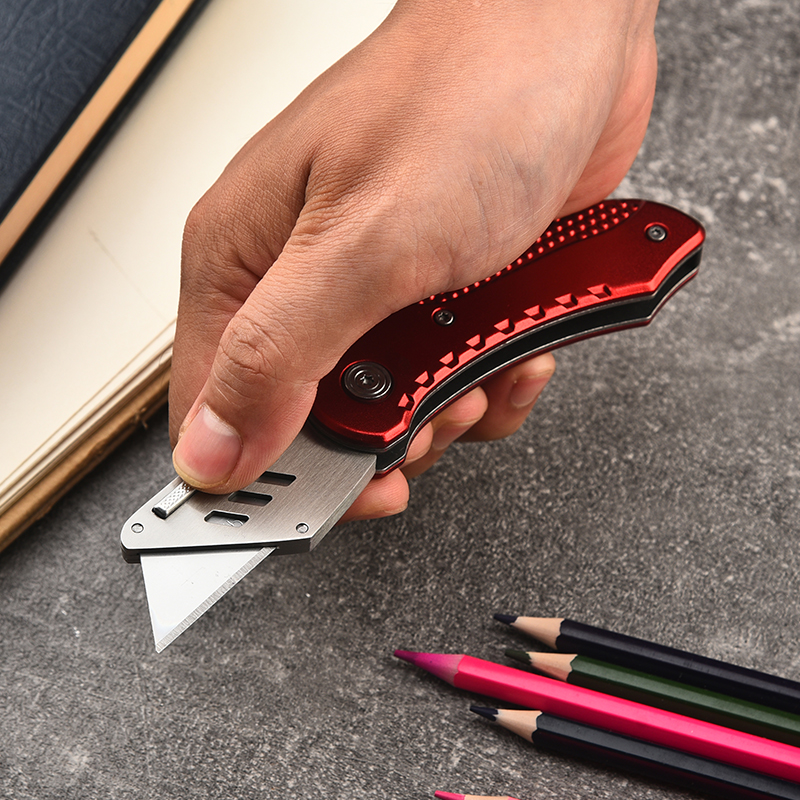
Quality Type III nylon 550 paracord is a common choice because it is flexible, widely available, and typically measures about 4 mm in diameter. Select cord from a reliable supplier and inspect it for even construction, durable sheath material, and consistent thickness.
For many wraps, plan for about 2.5 to 3.5 feet of cord for each inch of handle length. A 3-inch handle may require approximately 7.5 to 10.5 feet, depending on the handle width and pattern.
Often, yes. A tightly installed wrap can add texture and cushion to a narrow or bare-metal handle. However, a wrap that is too thick, uneven, or poorly positioned may reduce comfort.
Only if the wrap does not interfere with the opening mechanism, lock, pivot, screws, pocket clip, blade path, or safe closing action. In many cases, paracord is more suitable for fixed blades and skeletonized tang designs.
No. Even when labeled with a 550-pound breaking strength, paracord is not a substitute for certified climbing rope, harness equipment, rescue line, or load-rated lifting equipment. Knots, abrasion, heat, and wear can reduce its real-world strength.
Yes. Most wraps can be removed by cutting or carefully unthreading the finishing section. After removal, inspect the exposed tang for moisture, dirt, corrosion, or sharp edges before installing new cord.
It can. Cord may retain water, salt, dirt, and organic residue, especially after outdoor use. Dry the knife thoroughly and replace the cord if it becomes contaminated, loose, or damaged.
- [Blade HQ — Easy Paracord Wrap for Knife Handle]
- [Atwood Rope — 550 Paracord Product Specifications]
- [Paracord Guild — How to Make a Paracord Knife Wrap]
- [Blade Magazine — The Pros and Cons of Paracord-Wrapped Knife Handles]
- [Instructables — Paracord Knife Handle Wrap]


